What is Applied Behavior Analysis (ABA)?
Behavior therapy for individuals with Autism Spectrum Disorder.
ABA is an evidence-based approach grounded in decades of scientific research.
ABA focuses on teaching meaningful skills that promote independence, communication, and daily living while reducing behaviors that interfere with learning, safety, or quality of life.
ABA therapy can help reduce challenging behaviors that interfere with learning, safety, and daily life, including physical aggression, self-injurious behaviors, and disruptive behaviors. Treatment is individualized and focuses on understanding the purpose of behavior while teaching appropriate, functional alternatives.
In addition to addressing challenging behaviors, ABA emphasizes the development of meaningful skills, including communication, emotional regulation and tolerance, social interaction, play, independence, and daily living skills. By building these foundational skills, individuals are better equipped to participate successfully at home, school, and in their community.
What does ABA do?

What does ABA look like?
ABA looks different for every learner.
Sessions are typically scheduled several times per week, with each session lasting a few hours.
Depending on the learner's needs and insurance authorization, services may range from 10–20 hours per week.
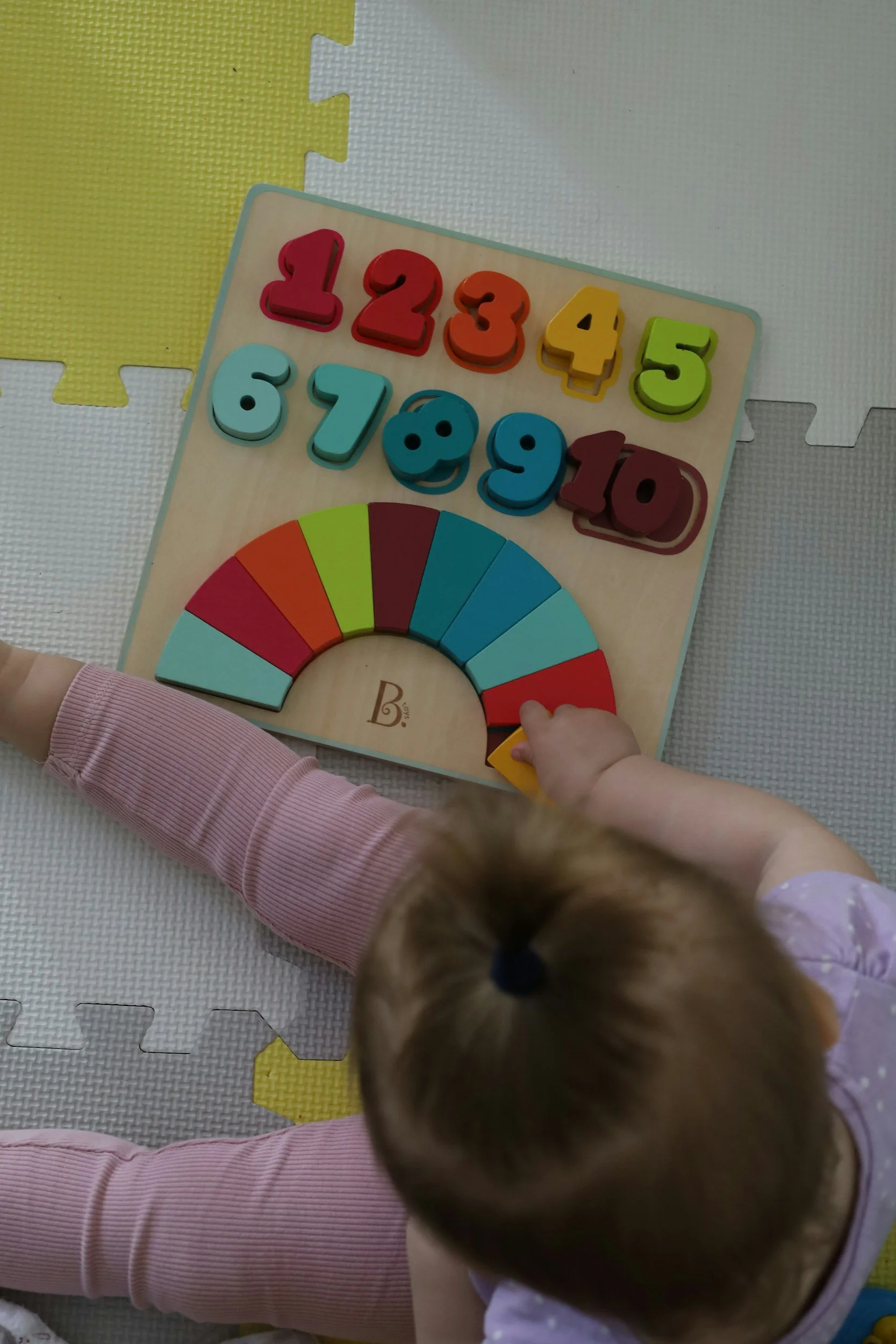
Sessions are engaging, play-based, and centered around the learner's interests and preferred activities. By incorporating motivating toys, games, and everyday routines, therapists create meaningful learning opportunities while building positive relationships.
Goals vary based on each learner's individual needs. Every goal is selected to support greater independence and improve quality of life across home, school, and community settings.